
Flavors of Rio Grande do Norte
The food of Rio Grande do Norte
From ginga com tapioca in Redinha to the sun-cured beef of the backlands: the typical dishes of Rio Grande do Norte worth adding to your trip.
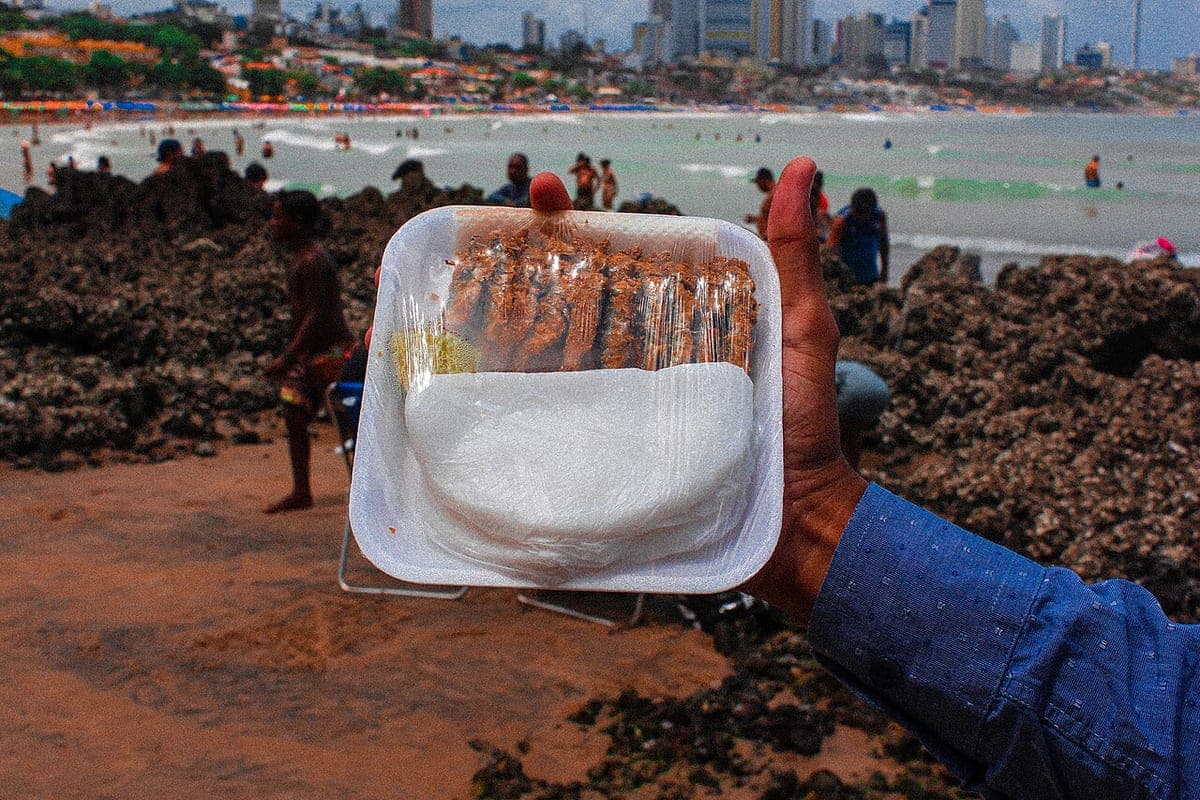
Natal, Redinha
Ginga com tapioca
Tiny fish called ginga, fried in dendê palm oil, skewered on a stick and served inside a tapioca: this is the best-known dish of Redinha, in the north of Natal. It began as fishermen's food, when Dona Dalila and Seu Geraldo decided to use the ginga, a small fish that came up in the nets and was usually thrown away.
Made in the neighborhood for more than fifty years, ginga com tapioca became part of Natal's intangible cultural heritage under the same law that made the Redinha Public Market, built in 1921, a city heritage site. Since 2019, a state law has also recognized it as heritage of Rio Grande do Norte.
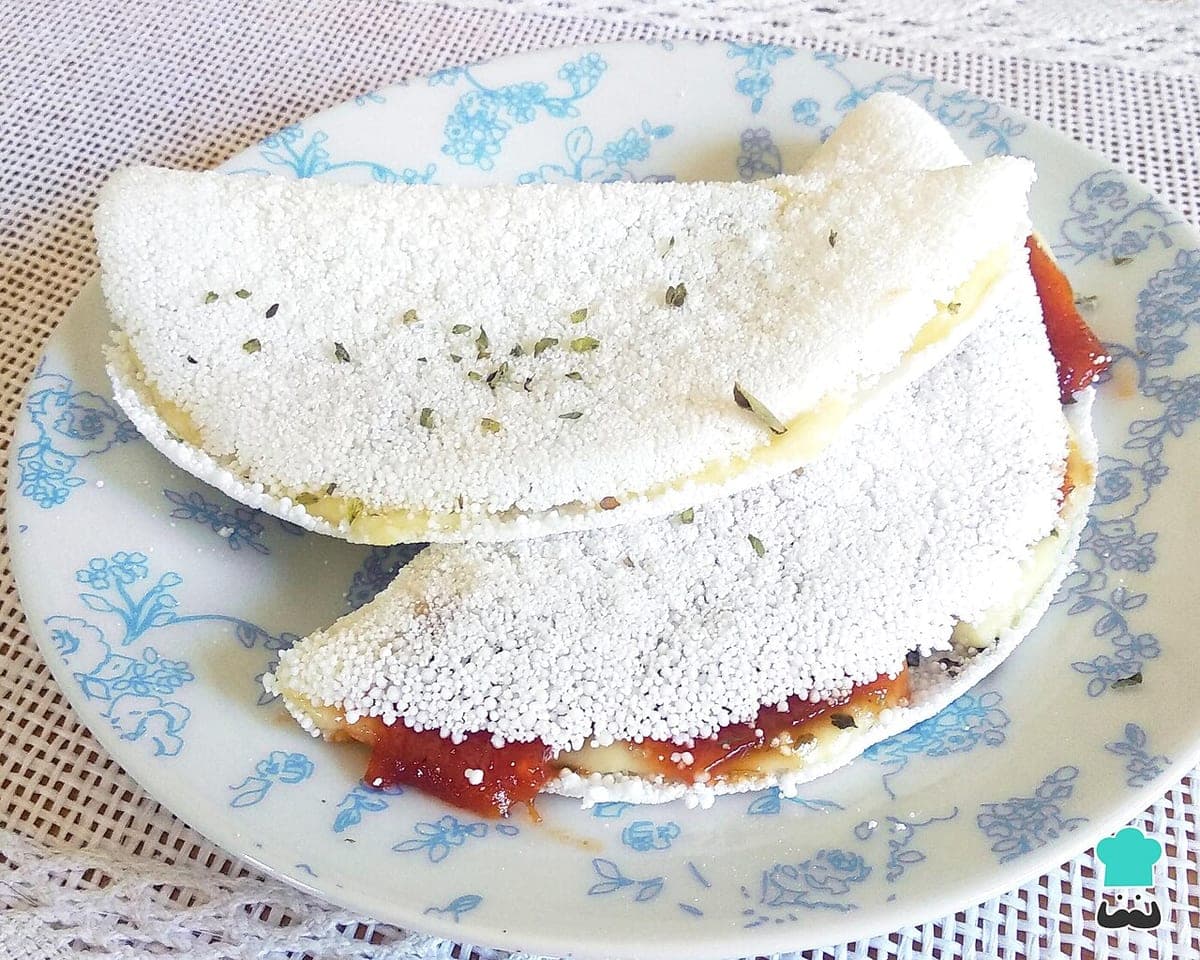
Indigenous heritage, found across the state
Tapioca
Tapioca is made from cassava starch, which goes into a hot pan and turns into a soft disc, folded over a sweet or savory filling such as coconut or coalho cheese.
It's an Indigenous legacy: the name comes from the Tupi language, and native peoples were making variations of cassava flatbread long before the Portuguese arrived. In Rio Grande do Norte, tapioca is also what wraps the ginga in Redinha.
Sources:Wikipédia: Tapioca
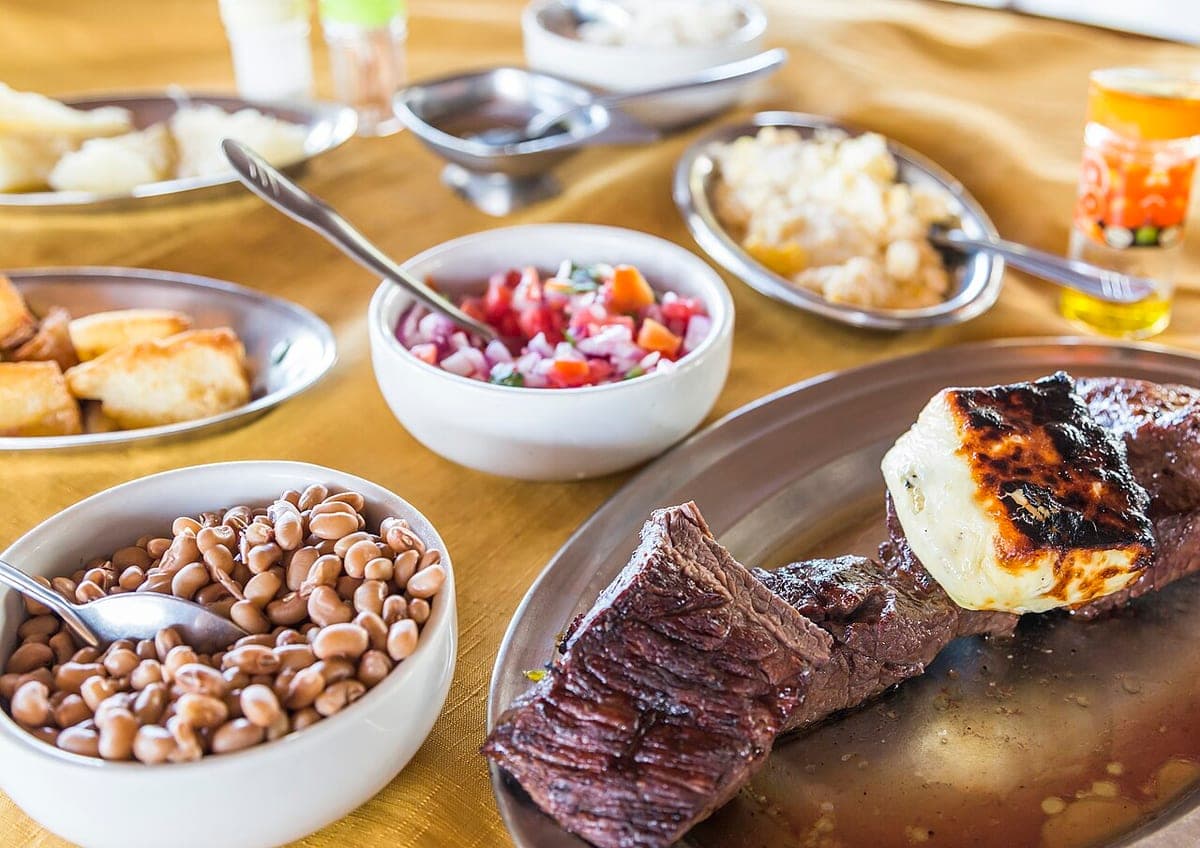
The backlands (sertão)
Carne de sol and paçoca
Despite its name, carne de sol ("sun beef") isn't dried in the sun: the meat gets a little salt and dries in a covered, airy place, which keeps the inside moist and tender. Rio Grande do Norte style, it comes with fried or boiled cassava, green beans, rice cooked in milk, farofa and manteiga da terra, a local clarified butter.
Shredded and pounded in a mortar with cassava flour and onion, carne de sol becomes paçoca, a dish from the old cattle drovers, made to last on long journeys through the interior.
Sources:Wikipédia: Carne de solWikipédia: Culinária do Rio Grande do NorteEstado de Minas
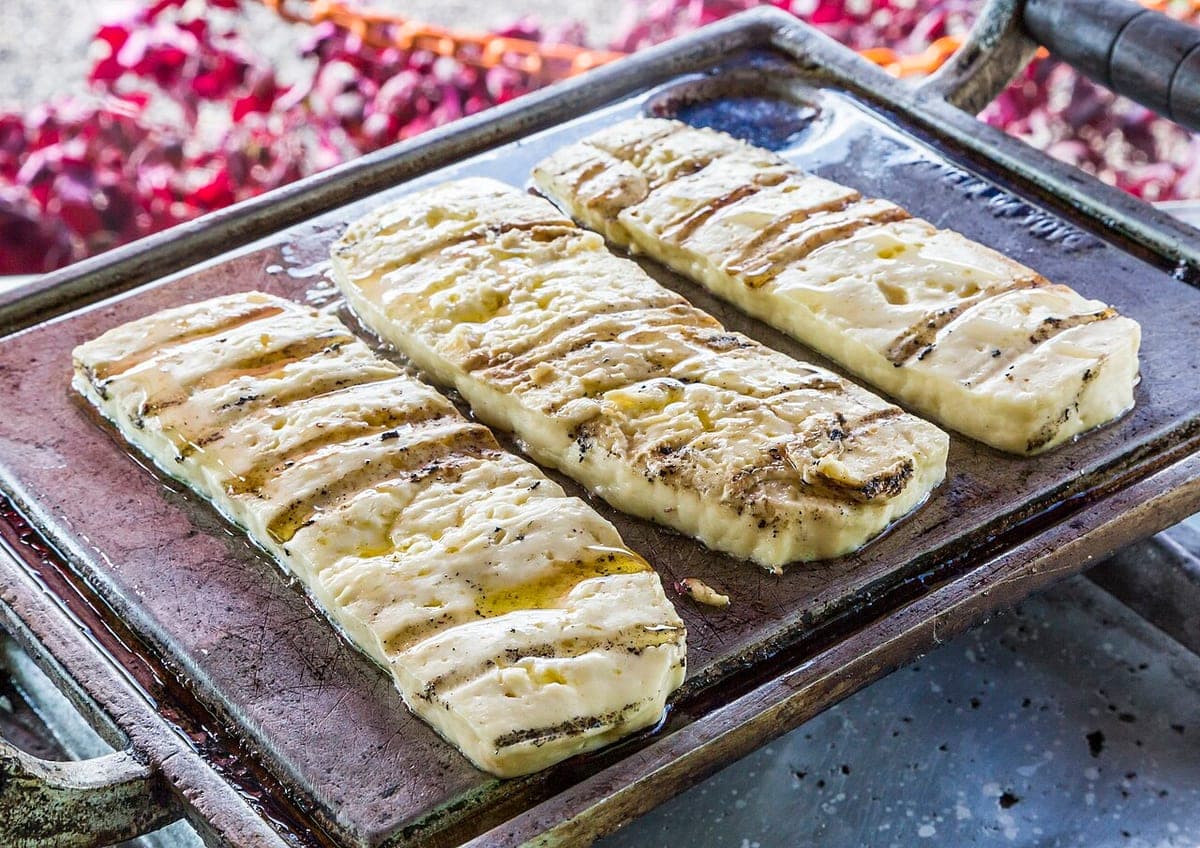
Seridó and Ceará-Mirim
Coalho cheese and butter cheese
Coalho is a firm cheese that holds up to the grill: it turns golden outside and soft inside. Coalho and butter cheese are the stars of the artisan cheese makers of Seridó, the state's largest dairy region, and of Ceará-Mirim.
Butter cheese (queijo de manteiga) has almost three centuries of tradition in Seridó. The curd is cooked with fresh milk, salt and butter, stirred slowly until it turns soft and yellow. In March 2026, Brazil's patent office (INPI) published the application for the "Caicó" Geographical Indication for the butter cheese of 24 Seridó towns.
Sources:Sebrae-RNINPI, Revista da Propriedade Industrial nº 2879Agência Sebrae de NotíciasWikipédia: Culinária do Rio Grande do Norte
The coast
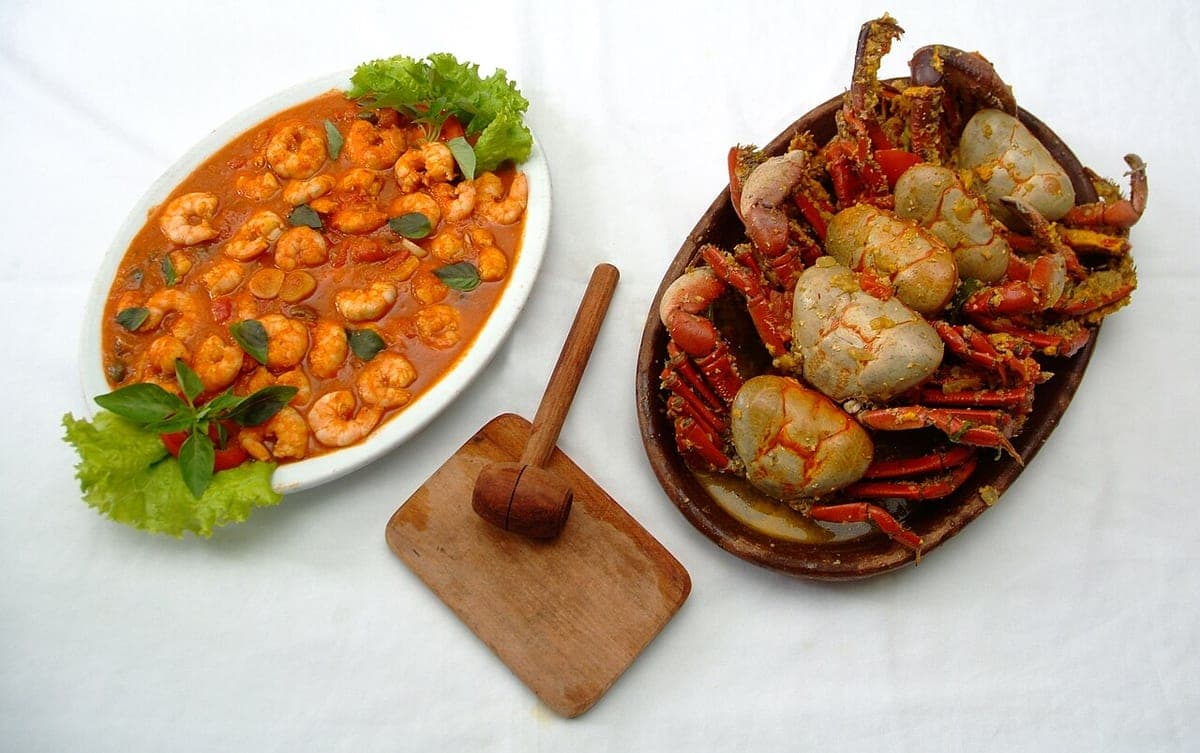
Shrimp and crab
Rio Grande do Norte is Brazil's second-largest shrimp producer, behind only Ceará: 31.6 million kilos in 2024, according to IBGE's Municipal Livestock Survey. On the coast it shows up in many dishes, such as bobó de camarão, a creamy shrimp stew.
For a caranguejada, crabs are cooked in coconut milk with tomato, bell pepper, onion and seasonings, and cracked open with a mallet at the table.
Sources:Tribuna do Norte (dados do IBGE)Wikipédia: Culinária do Rio Grande do Norte
Found across the state
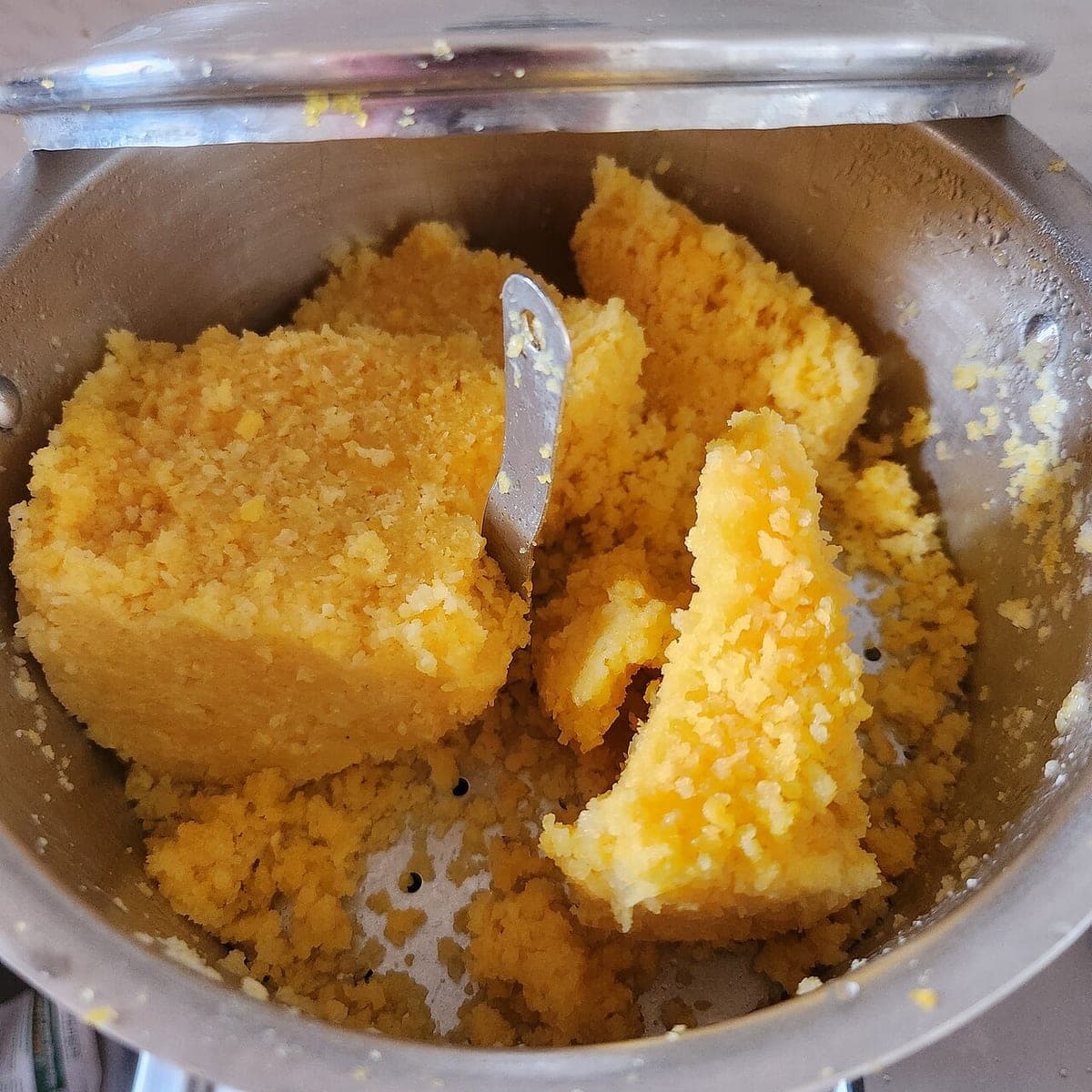
Corn cuscuz
Corn meal seasoned with salt and steamed in a cuscuzeira pot, then moistened with coconut milk, with or without sugar.
The Northeast backlands
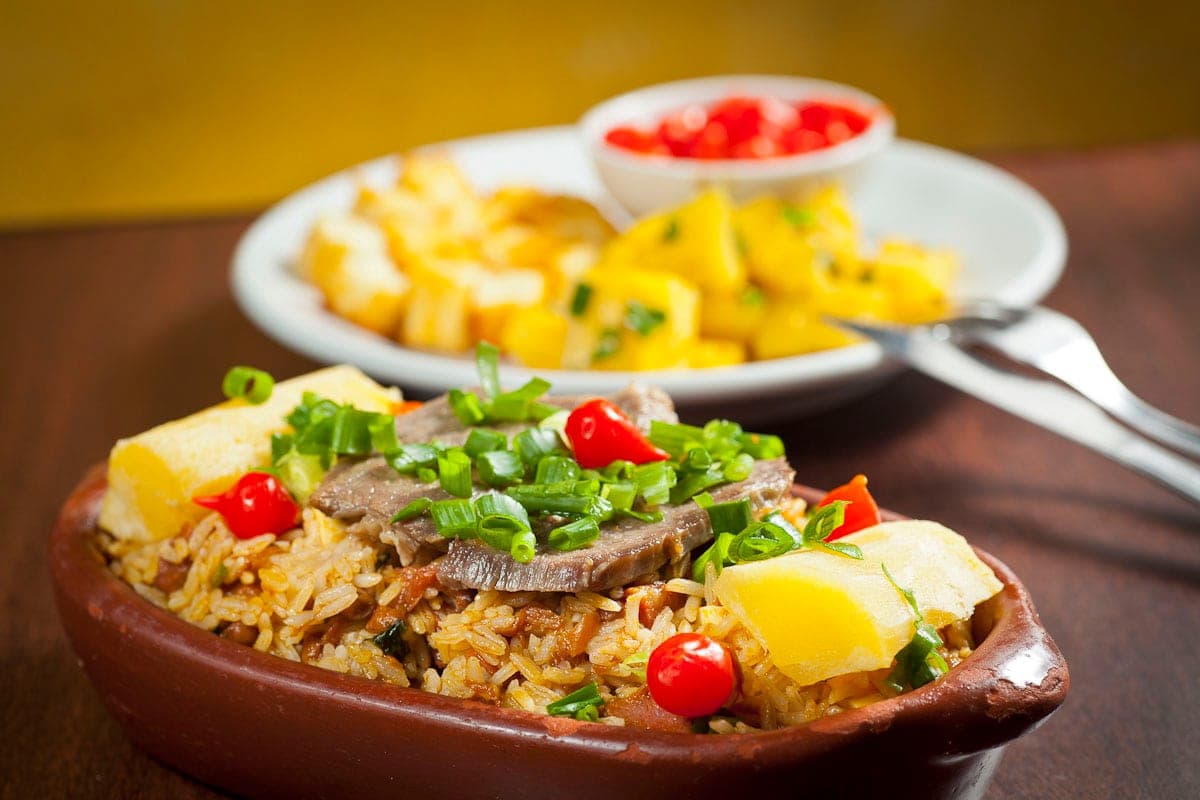
Baião de dois
Rice and beans, ideally green beans, cooked in the same pot with coalho cheese, cream and fresh herbs. Originally from Ceará, it's one of the typical dishes of the whole Northeast, Rio Grande do Norte included.
The name comes from baião, the music and dance style, and it became famous in the mid-20th century through a song by Humberto Teixeira and Luiz Gonzaga.
Sources:Wikipédia: Baião de doisWikipédia: Culinária do Rio Grande do Norte
Serra do Mel and the coast
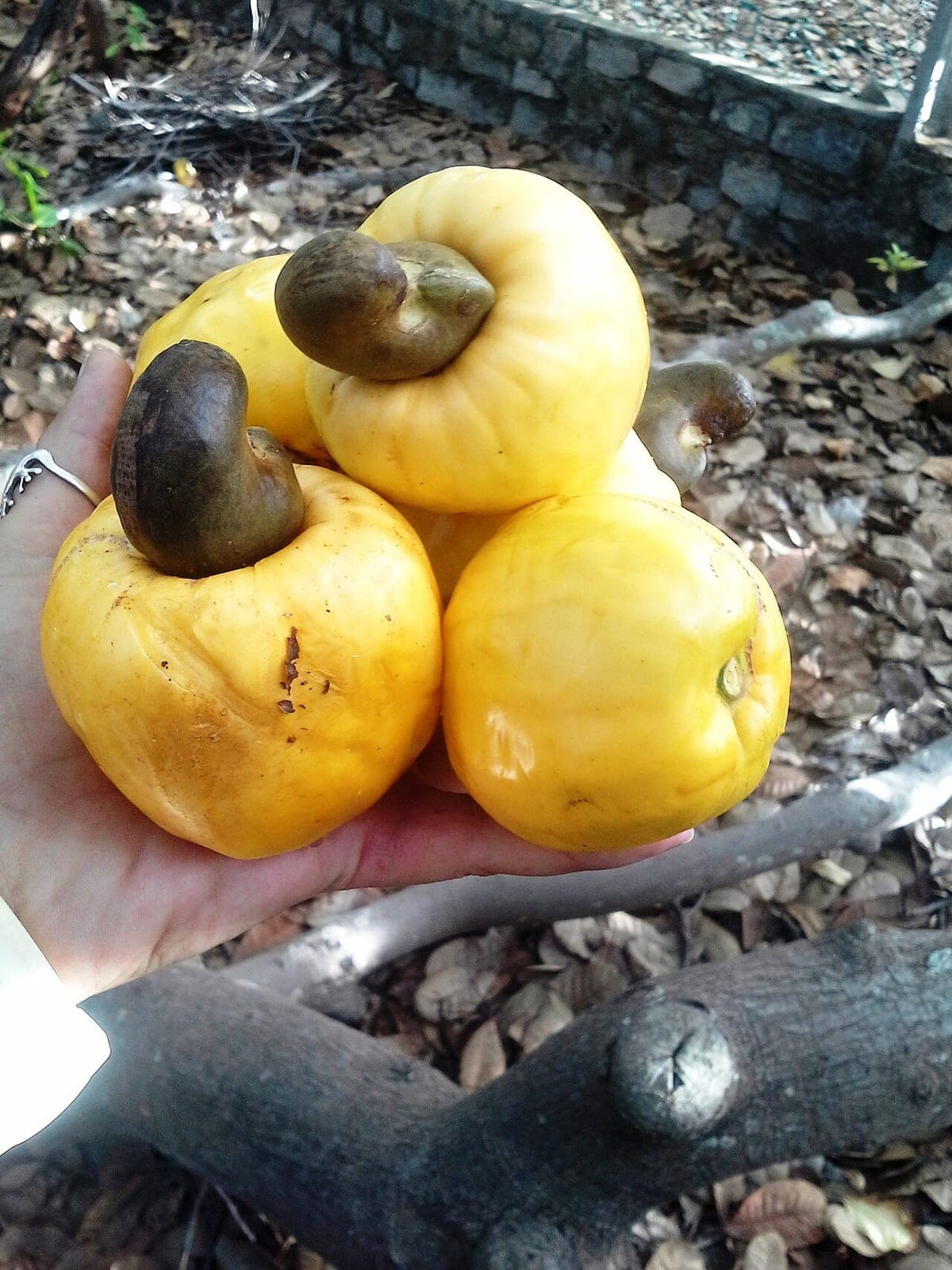
Cashew: nuts, sweets and juice
The cashew fruit becomes sweets and juice, and the nut is roasted. Cashew nuts from Serra do Mel, the largest producer in Rio Grande do Norte, received a Geographical Indication (Indication of Origin) in 2025. The town has about 13,000 hectares of cashew trees, and more than 80% of its processed nuts are exported.
On the South Coast, in Pirangi, stands the World's Largest Cashew Tree, one of the stops on the South Coast Tour.
Sources:Agência Sebrae de NotíciasWikipédia: Culinária do Rio Grande do Norte
June festivals
Pamonha and corn dishes
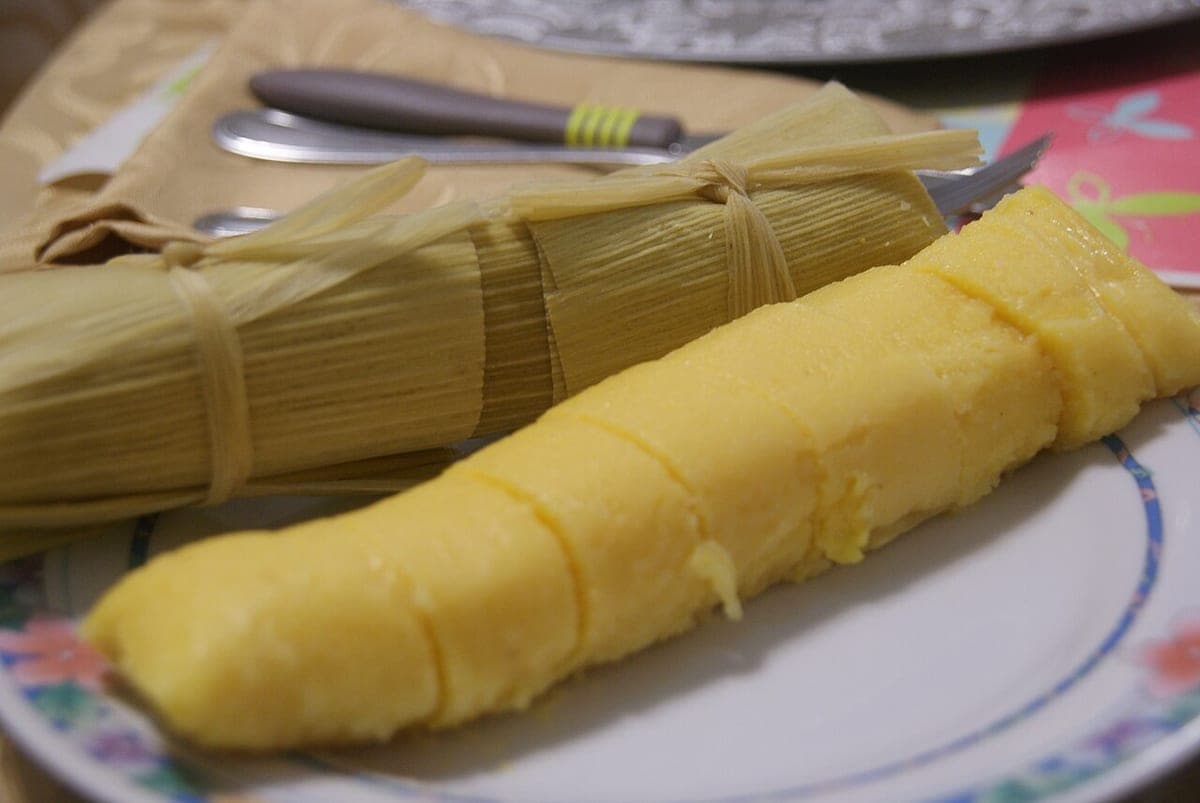
Grated fresh corn mixed with milk or coconut milk, packed into its own husk, tied at the ends and boiled until firm: that's pamonha, which can be sweet or savory. The name comes from the Tupi language and refers to its sticky texture.
It's one of the typical foods of Brazil's June festivals (festas juninas).
Sources:Wikipédia: PamonhaWikipédia: Culinária do Rio Grande do Norte
Want to know where to try them?
We don't recommend restaurants on this page. Tell our team what you'd like to try and where you'll be on your trip, and we'll answer on WhatsApp.
Ask on WhatsAppStill planning your trip? See our ready-made itineraries.
See itineraries